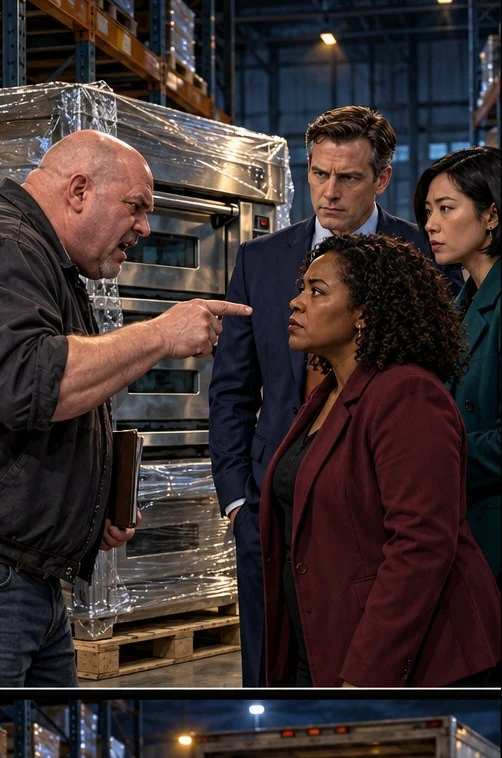
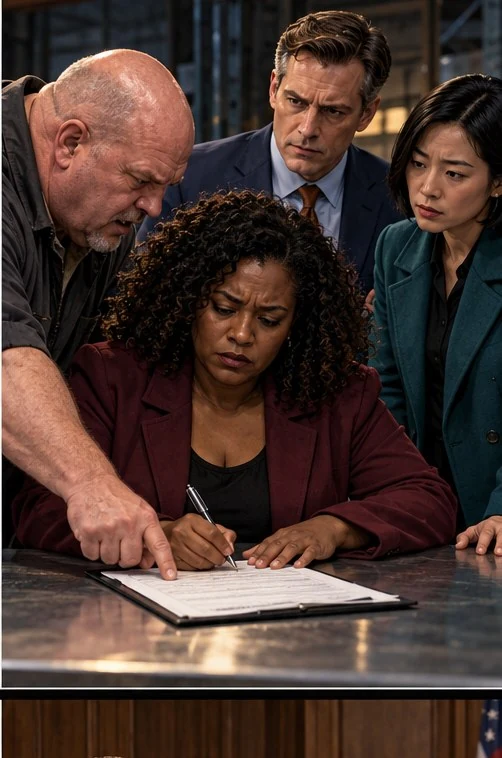
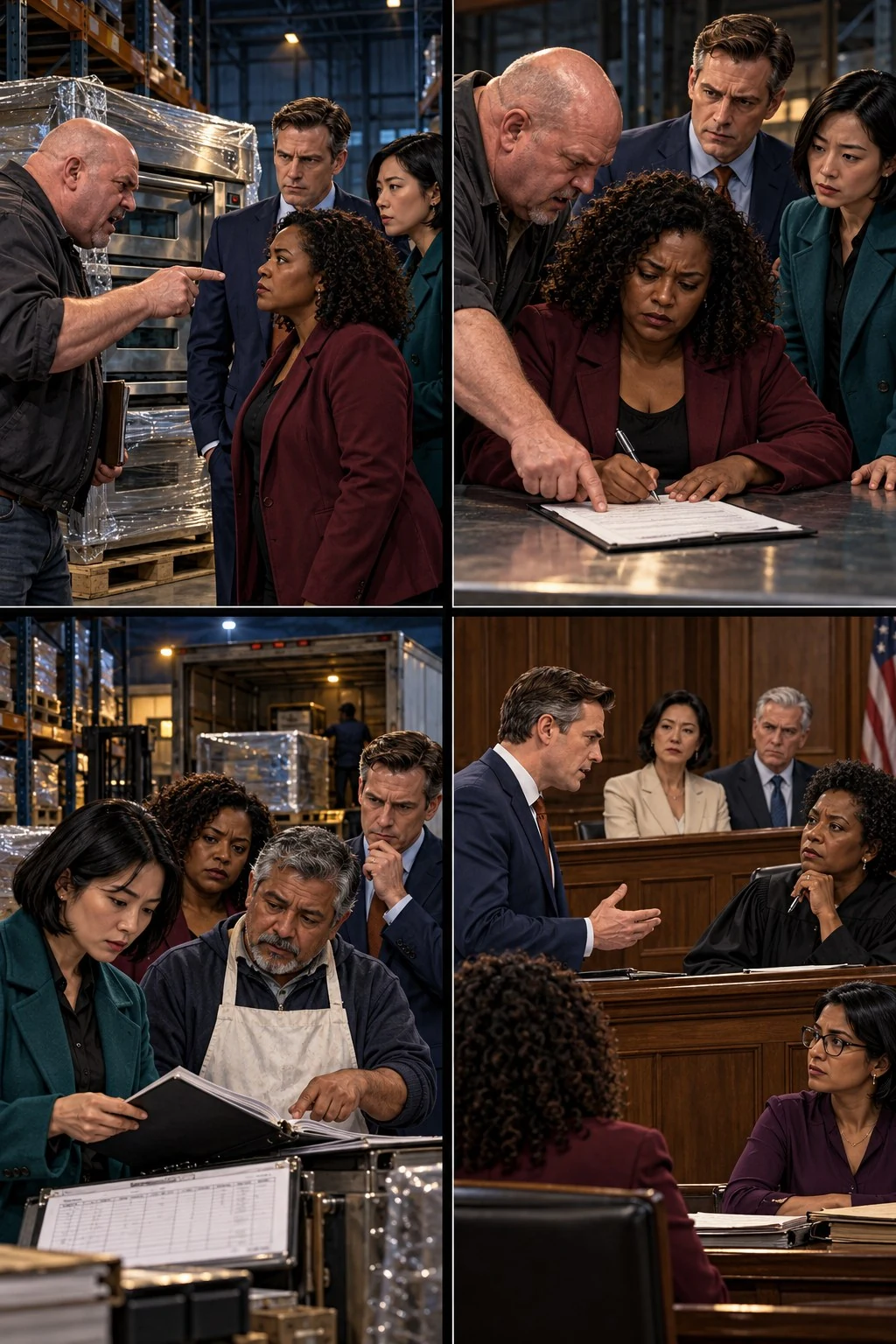
Atlas demanded an extra $15,000 two days before delivery. Its manager said a sudden factory shortage had forced the increase. Without it, the oven would stay in the warehouse. Naomi had already committed to the school schedule. A rushed amendment arrived for signature.
ATLAS MANAGER
Sign today or lose your delivery slot.
NAOMI
You already sold us that slot.
ATLAS MANAGER
Costs have changed.
MERCER
Save the demand. Ask what changed and what alternatives they offered.
Article 2 does not require new consideration for modification. That does not remove good faith, writing requirements, or defenses based on improper pressure.
SCENE 2 · PDF PAGE 25
The Choice That Wasn't
Naomi signed the amendment before reaching me. I did not tell her a signature was meaningless. I asked what alternatives existed at that moment, what she knew, and what Atlas threatened. June requested the relevant inventory and pricing records through counsel. A lawsuit was possible; an oven in forty-eight hours was another matter.
NAOMI
I signed because the catering would collapse.
MERCER
Financial pressure alone is not necessarily legal duress.
NAOMI
He threatened to withhold what was already mine to receive.
MERCER
We examine whether the threat was improper and whether there was a reasonable alternative.
A contract induced by actionable duress is generally voidable, subject to applicable rules and possible ratification. We challenge the amendment promptly and preserve the underlying rights.
SCENE 3 · PDF PAGE 26
Available for a Better Buyer
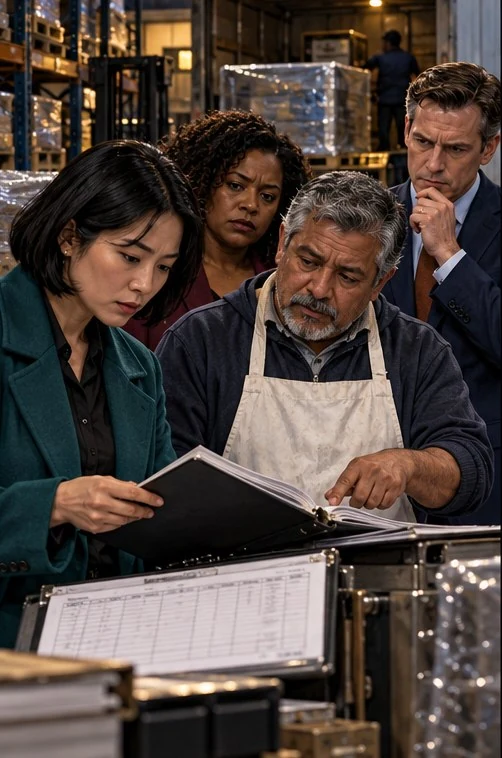
A driver, Luis Medina, told June that identical ovens remained in stock. He did not hand over stolen records. His account identified records for discovery. Atlas later produced dispatch logs showing its manager had held Riverside's unit for a higher-paying buyer. The supposed factory shortage was not the whole story.
LUIS
I loaded three of the same model that week.
JUNE
From your own work, which dates and orders do you remember?
LUIS
Tuesday and Thursday. The warehouse logs will show it.
MERCER
Then we obtain and authenticate those logs through the case.
Evidence of strategic withholding undermines the claimed good-faith commercial reason. A breach is not automatically fraud; a misrepresentation theory has its own elements.
SCENE 4 · PDF PAGE 27
A Hearing, Not a Verdict
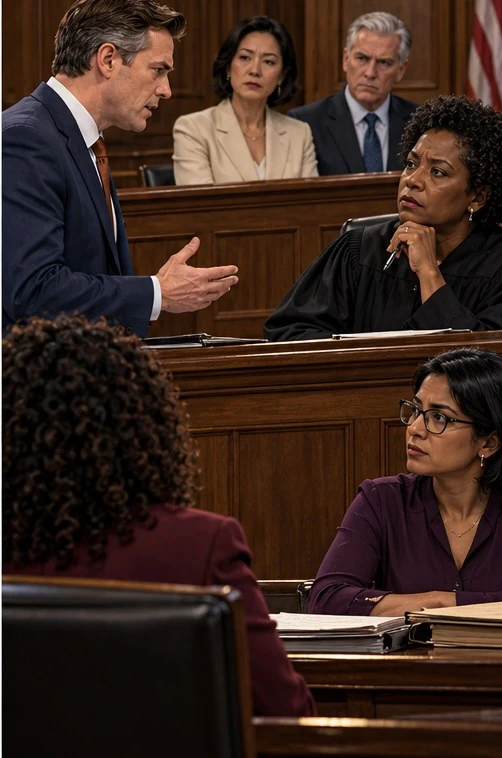
At a preliminary civil hearing, Judge Amara Okafor refused to treat every allegation as established. Atlas argued the signed amendment controlled. We presented the emails and sought expedited discovery. The judge set a prompt schedule. She did not announce a final damages award from the bench that afternoon.
OKAFOR
The amendment's validity remains disputed.
MERCER
We request records and a schedule that preserves a meaningful remedy.
ATLAS COUNSEL
We contest the asserted shortage evidence.
OKAFOR
Then the parties will develop that record, with notice and an opportunity to respond.
Procedural urgency does not erase the need to prove a claim. The eventual judgment will follow a trial, not a dramatic preliminary exchange.
THE LAW BEHIND THE STORY
Contracts study notes
Modify under the correct law
Common-law modifications ordinarily need consideration, subject to exceptions such as fair adjustments for unanticipated circumstances. Under section 2-209 an Article 2 modification needs no new consideration, but good faith remains essential. Writing and signed no-oral-modification provisions can matter; an ineffective modification may sometimes operate as a waiver.
Economic duress
An improper threat that induces assent when no reasonable alternative exists may make a transaction voidable. Commercial distress, unequal power, or a hard bargain alone ordinarily does not suffice. Investigate the threatened breach, urgency, substitute sources, access to legal relief, and prompt objection after pressure ends.
Other defenses
Capacity, illegality, misrepresentation, mistake, undue influence, and unconscionability are separate inquiries. Mutual mistake ordinarily concerns a basic assumption with material effect, subject to risk allocation. Unilateral mistake has additional limits. Unconscionability focuses on formation and the jurisdiction's procedural and substantive standards; a bad outcome alone is insufficient.
Challenge the right instrument
Naomi seeks to avoid the coerced surcharge amendment, not erase every promise in the original sale. Remedies and severability depend on applicable law and facts. Prompt disaffirmance matters; accepting benefits or affirming after the pressure ends can affect the defense. Never promise a client that writing reserved rights mechanically defeats ratification.