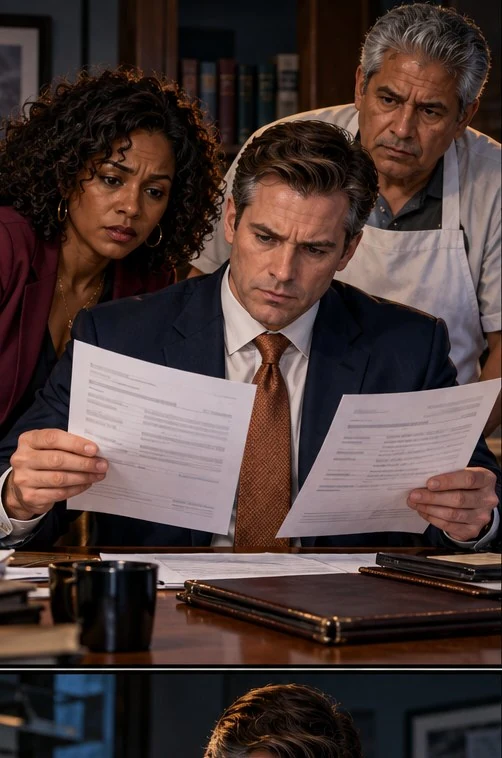
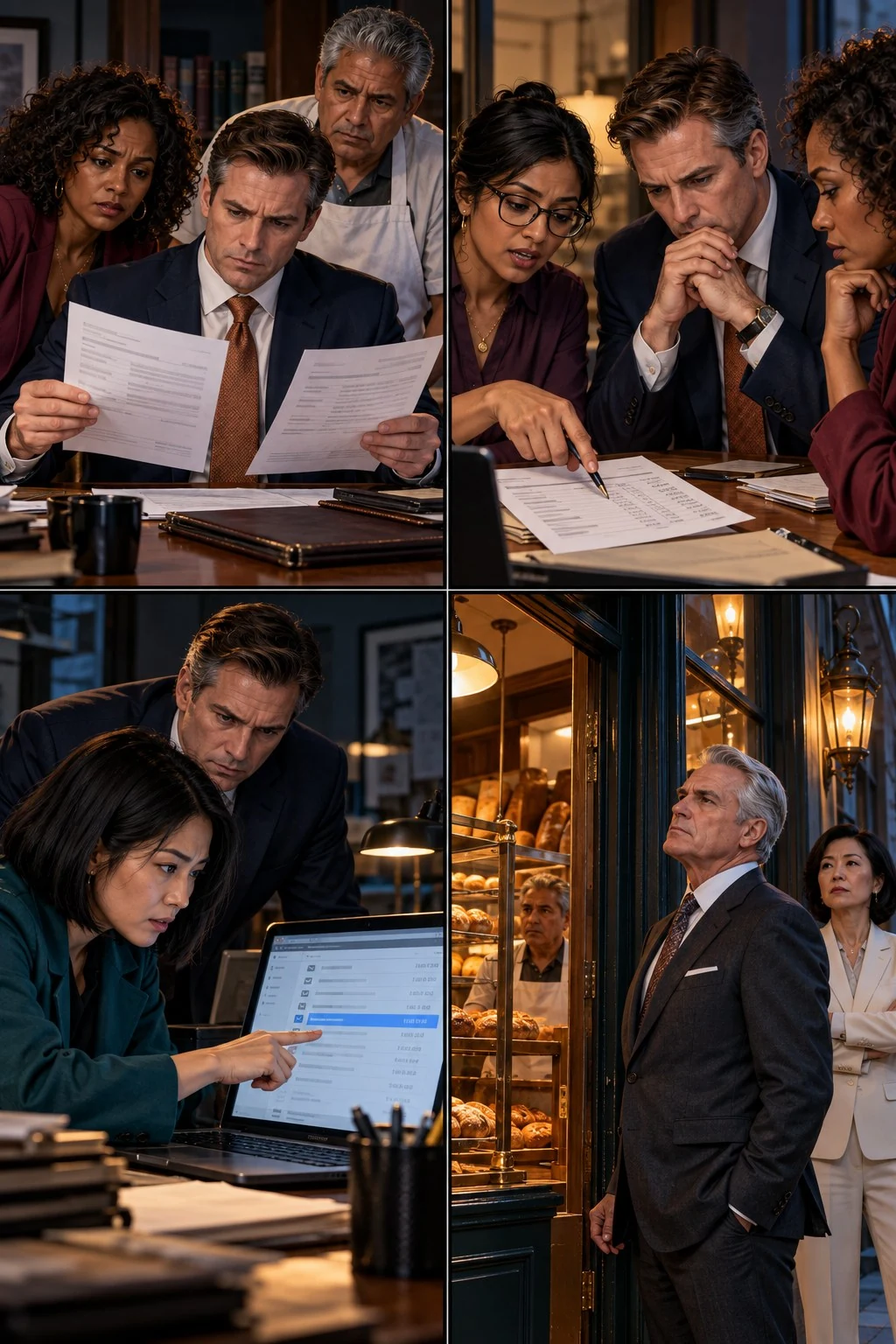
Atlas's original confirmation said nothing about excluding consequential damages. A later invoice contained a new clause in small type. The purchase order expressly limited acceptance to its terms. Atlas argued that paying the deposit accepted everything printed anywhere in the account. The deposit had been paid before that invoice arrived.
MERCER
When was this form sent?
NAOMI
Nine days after the confirmation.
JUNE
Six days after the deposit.
MERCER
Then chronology matters to both formation and attempted modification.
A later form is not a time machine. We must determine the applicable Article 2 route and whether a new term actually became part of the bargain.
SCENE 2 · PDF PAGE 19
Read the Whole Sentence
Priya highlighted the phrase delivery by September fifteenth. Atlas wanted it treated as an aspiration. Its own quotation priced expedited freight and referred to the bakery's school-catering schedule. I read the whole exchange. A deadline can carry meaning that disappears when someone quotes only half a sentence.
PRIYA
The freight premium was expressly tied to that date.
ATLAS COUNSEL
Commercial schedules change.
MERCER
That explains a risk. It does not decide who assumed it.
NAOMI
I bought a delivery commitment, not a weather forecast.
Interpretation considers the agreement as a whole and permissible context. It does not permit a lawyer to replace the text with a preferred bargain.
SCENE 3 · PDF PAGE 20
The Email That Stayed
June located Atlas's signed confirmation in Naomi's original mailbox, with its attachment and transmission details. It identified one oven. Atlas admitted sending it but disputed the new damages clause. I could prove a sale without winning every dispute about its terms. Those were different questions.
Electronic records can qualify when the governing requirements are met. We show intent and attribution.
At $60,000 the sale needs a statute-of-frauds analysis. A sufficient writing supports enforceability; it does not establish performance or validate every later term.
SCENE 4 · PDF PAGE 21
The Other Folder
Hale arrived to inspect the building with a surveyor. Naomi asked him to leave during the bakery's working hours. He called her option exercise a suggestion. I handed his lawyer the signed option and the delivery receipt. A renovation email mentioned a future discussion about roof repairs. It did not cancel the purchase agreement.
HALE
There were other things to negotiate.
MERCER
Identify any unresolved essential term in the signed option.
HALE
We discussed the roof afterward.
MERCER
A later conversation about repairs is not necessarily a condition of the existing sale.
The parol-evidence rule concerns prior or contemporaneous agreements and an integrated writing. Later changes, fraud claims, and interpretation require separate analysis.
THE LAW BEHIND THE STORY
Contracts study notes
Writing and quantity
Under the commonly enacted UCC section 2-201, goods contracts of $500 or more generally need a sufficient signed writing, subject to exceptions. Enforceability ordinarily cannot exceed the stated quantity. Merchant confirmations, specially manufactured goods, admissions, and accepted payment or goods have distinct requirements and scope. Electronic records require applicable signature and attribution analysis.
Battle of the forms
Section 2-207 distinguishes a definite acceptance from one expressly conditional on assent to changed terms. Additional terms are proposals; between merchants specified exceptions prevent automatic inclusion. A material alteration or an offer limiting acceptance matters. Courts differ on different terms. Conduct can establish a sale despite incompatible writings, using agreed terms and statutory supplements.
Integration and context
A final writing may exclude contradictory prior or contemporaneous terms; a complete integration can also exclude consistent additions. Under section 2-202, course of performance, course of dealing, and usage of trade have special roles. Do not confuse the parol-evidence rule with the statute of frauds or assume an integration clause defeats every fraud claim.
The story's narrow result
The fictional court later finds Atlas's consequential-loss exclusion was not adopted: the original offer limited acceptance, the late clause materially changed risk, and no agreed modification followed. That result does not mean all commercial limitations are invalid. It resolves these documents and this chronology.